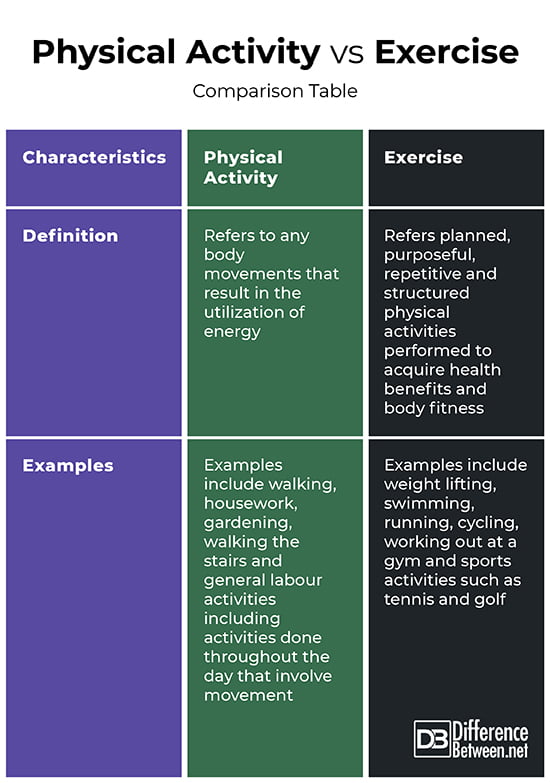
Exercise has long been recognized as a key component of maintaining good health and living an active lifestyle. But did you know that regular physical activity can actually add years to your life? Its true! By engaging in exercise regularly we’re able to boost our overall well being while also extending the amount of time we have left on this planet. The question then becomes: how exactly does it work its magic?
The answer lies within endorphins – those feel-good hormones released during physical exertion which provide us with natural highs throughout each session. These chemical reactions not only improve mood but also contribute towards strengthening various bodily functions such as heart function, lung capacity & immune response systems over time through consistent use.
Essentially giving ourselves superhero-like abilities when faced against any obstacles or challenges thrown at us along the way! And if that’s not enough reason already for why everyone should consider incorporating more movement into their daily routines; studies suggest that even just moderate amounts of exercise could potentially extend ones lifespan by upwards of three additional years all the way up to seven extra years depending upon frequency/intensity levels practiced! So lace up those sneakers today because every little bit counts when it comes down to maximizing quality time spent here on earth!
Exercise has been shown to add years onto your lifespan. Studies have demonstrated that regular physical activity can increase the average lifespan by three or seven years. Engaging in exercise helps lower risks associated with chronic diseases such as heart disease, stroke and diabetes which are leading causes of death worldwide. Therefore, incorporating routine workouts into daily life is essential for a longer, healthier existence!
Exercise – The Number of Years It Can Add To Your Life
The importance of regular exercise for maintaining a healthy lifestyle cannot be overstated. Not only does it aid in managing weight and reducing the risk of chronic diseases but it also extends lifespan significantly, according to various studies conducted on this topic. In this article, we will explore how physical activity can add years onto your life by looking at its impact on longevity.
Exercise and Longevity – The Science Behind It
Exercise has numerous benefits for our bodies, including at a cellular level. It stimulates the production of mitochondria, which are responsible for generating energy within each cell in our body. As we age this process slows down leading to decreased overall energy output; however, regular exercise can counteract this decline by promoting mitochondrial biogenesis and effectively delaying aging.
Additionally, physical activity reduces inflammation levels as well as oxidative stress both contributing factors towards chronic diseases such as heart disease, diabetes or cancer development risks lowered through engaging regularly with exercises like running, swimming, cycling etc.. By doing so, you’ll not only increase your lifespan but also reduce chances of developing these conditions over time. allowing for an improved quality of life throughout old age too!
Exercise and Chronic Disease Prevention
Exercise has been shown to have numerous benefits for our health including reducing the risk of chronic diseases. Numerous studies have demonstrated how physical activity can positively impact various medical conditions such as cardiovascular disease, type 2 diabetes and certain types of cancer like breast or colon cancer. Additionally incorporating regular exercise into your routine could also improve mental wellbeing by releasing endorphins which are known as feel good hormones that alleviate symptoms associated with depression or anxiety. By adopting an active lifestyle you’re not only prolonging life expectancy but enhancing overall quality of living too! So why wait? Start moving today!
Exercise and Life Expectancy – The Connection
Exercise has been linked with numerous health benefits, including an extended lifespan. Several studies have examined this relationship and consistently found a positive correlation between physical activity levels and life expectancy. One study published in the British Journal of Sports Medicine revealed that individuals who engaged in moderate intensity exercise for at least 150 minutes per week had a lower risk of premature death compared to those who were sedentary by up to ten percent.
Another investigation conducted by the National Cancer Institute showed that meeting recommended guidelines for exercise could reduce early mortality rates by as much as thirty-one percent. The takeaway message is clear: no matter what age group you belong to – incorporating regular physical activity into your daily routine can significantly improve overall well-being and increase longevity. making it a worthwhile investment for everyone.
Exercise for Longevity – The Best Types
The pursuit of longevity is a goal that many people strive for throughout their lives. While maintaining an active lifestyle can certainly contribute to this objective, not all forms of physical activity are created equal when it comes to maximizing your chances at living longer and healthier. Researchers have shown aerobic exercise, such as brisk walking or cycling, to be particularly effective in improving cardiovascular health while reducing the risk of chronic diseases.
Aim for around 150 minutes per week spent engaging in moderate-intensity aerobics or approximately 75 minutes doing vigorous exercises instead, if you want optimal results from your workouts.
Additionally, strength training should also form part of any well-rounded fitness routine designed with increasing lifespan in mind; building up muscle mass helps prevent falls and preserves overall functionality while promoting balance control too. Incorporating flexibility/balance activities like yoga tai chi or Pilates into your regimen will help improve posture stability along with enhancing mobility – crucial factors for staying injury-free during later years! Remember: investing time now pays off big dividends later on down life’s road!
Conclusion
The benefits of regular exercise are numerous and far-reaching, including its ability to add years onto your life. By engaging in physical activity such as cardiovascular exercises or strength training sessions, you can improve mitochondrial function and reduce inflammation levels, while also lowering the risk for chronic diseases like heart disease or diabetes .
These positive effects have been extensively studied by researchers who agree that incorporating a variety of activities into one’s routine is key for reaping all these benefits from exercise. So why wait? Lace up those sneakers today!
Exercise and Longevity – Key Takeaways
Regular exercise is a powerful tool for extending one’s lifespan by up to seven years. This practice has been shown to improve heart health and reduce the risk of cardiovascular diseases while also boosting mood levels, thereby reducing depression rates. Moreover, engaging in physical activity can help maintain an optimal weight range,s which is crucial for preventing obesity related illnesses from developing over time.
Finally, regular workouts promote better sleep patterns, leading towards an enhanced quality of life overall. With so many benefits associated with exercising regularly its no wonder why experts recommend incorporating it into daily routines as much as possible!
Exercise has been shown to contribute significantly towards extending one’s lifespan. By incorporating physical activity into your routine you can improve overall health and wellbein,g leading to a longer life expectancy.
The importance of exercise cannot be overstated when it comes to extending our lifespan. Regular physical activity has been shown time and again as an effective means for reducing the risk associated with chronic diseases such as heart disease, diabetes or certain types of cancer. Additionally, exercising regularly helps maintain a healthy weight while also strengthening ones immune system along with improving mental well-being – all factors that contribute significantly towards living longer lives filled with good health!
- Exercise is an essential tool for promoting cardiovascular health. It enhances blood flow and oxygen delivery to tissues while also encouraging the growth of new blood vessels, reducing inflammation levels and lowering blood pressure. These benefits are critical components in maintaining optimal wellness throughout one’s life span.
- Exercise has been shown to add years onto ones life. How many extra years can it give you? Find out now!
- Exercise has been shown to add years onto ones lifespan through various studies. Regular physical activity can potentially increase your life expectancy by upwards of three or even seven years! So why not start incorporating exercise into your routine today?
While adding years to ones life through exercise is certainly beneficial, it should not be overlooked that there are additional benefits beyond this. Exercise promotes both physical and mental well being which leads individuals towards a higher level of functionality and independence as they age. This makes for an improved quality of living overall. Therefore its important to prioritize regular exercise in order maximize these advantages throughout one’s lifetime.
What types of exercise have been shown to increase lifespan?
To extend your lifespan, engaging in a variety of exercises is crucial. A well rounded routine typically includes cardiovascular activities such as walking, running or cycling, along with strength training and flexibility workouts like yoga or Pilates. This approach ensures that all aspects of fitness are addressed for optimal health benefits over time.
To achieve optimal health and longevity its essential to incorporate a variety of exercise types into your routine. Cardiovascular workouts improve heart function while building endurance; strength training builds muscle mass while preserving bone density; flexibility exercises prevent injuries by enhancing joint mobility. By combining these different approaches, you can maximize the benefits for an extended lifespan filled with vitality.
To extend your lifespan, it is essential to engage in regular exercise. However, the amount of physical activity required varies from person to person based on factors such as age and fitness level. Consult with a healthcare professional for personalized recommendations.
To maximize your lifespan and overall health its essential that you engage in regular physical activity. The recommended amount of exercise is at least 150 minutes per week spent on moderate-intensity aerobic activities or vigorous intensity ones for a minimum duration of 75 minutes each session. Additionally, incorporating muscle-strengthening exercises into two days out of the seven will provide further benefits towards achieving optimal wellbeing goals over time.
To achieve this level of fitness requires setting aside approximately half an hour daily devoted solely towards working up a sweat through various forms of movement such as jogging, cycling or weightlifting among others. This routine should be followed consistently throughout all stages of life without exception if one hopes to maintain good health status while living longer too! So why wait?
Start today by taking small steps towards making big changes tomorrow – it could mean adding years onto your life expectancy!
Its crucial to acknowledge that any amount of exercise is superior than none. If you’re starting out gradually increasing your duration and intensity over time will help avoid injury or burnout. Remember consistency is key in maintaining an active lifestyle; finding enjoyable activities can make this easier for beginners. Don’t underestimate the power of small steps towards a healthier future!
Can exercise mitigate the negative impacts of a sedentary lifestyle?
While exercise is an essential component of maintaining good health, it should be noted that its benefits may not entirely counteract the negative impacts caused by prolonged periods spent sitting or leading a sedentary lifestyle. Research has shown links between these behaviors and various health risks such as obesity, heart disease and premature death. Therefore incorporating physical activity into your daily routine can help mitigate some of these potential issues while also promoting overall well-being.
To combat the negative impacts of a sedentary lifestyle incorporating regular physical activity into your daily routine is crucial. Even if you have an office job or spend extended periods sitting down taking breaks to stretch walk or bike instead of driving can help reduce these detrimental effects on health. Finding opportunities throughout each day for movement such as standing up during meetings or taking short walks outside are also effective ways to mitigate against prolonged inactivity. By prioritizing physical activity and making it part of everyday life individuals can improve their overall wellbeing while reducing risks associated with being stationary for long hours at work or home.
Exercise – How Many Years Can It Add To Your Life?
Exercise has been shown to increase life expectancy by several years. Are you curious about how much time it could add?
The Importance of Exercise in Longevity
Exercise has been shown to have numerous benefits beyond just adding years onto your life. Regular physical activity can significantly increase lifespan while also improving overall health outcomes. While its difficult to determine an exact number of additional years gained through exercise alone there is ample evidence supporting the notion that it does indeed contribute positively towards longevity.
The advantages extend far beyond mere quantity, though – regular workouts reduce chronic disease risk factors such as heart disease, diabetes and certain types of cancer; they strengthen muscles and bones boost cognitive function enhance mental well-being; all by simply incorporating movement into daily routines!
Finding enjoyable activities that suit individual preferences and lifestyles should be prioritized for maximum benefit from consistent participation in physical activity. Keeping up with a routine will yield optimal results over time leading to better quality living experiences throughout ones lifetime.
In conclusion, investing in one’s long-term health via regular exercise offers multiple rewards including potential extension of lifespan alongside improved overall well-being outcomes. Prioritizing enjoyable forms of physical activity within daily routines unlocks these positive effects on both body and mind alike – so lace those shoes tightly and get moving today!